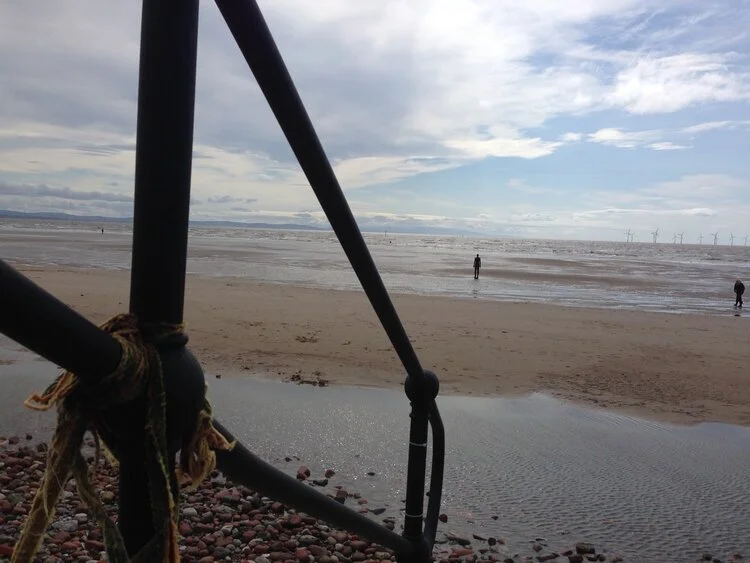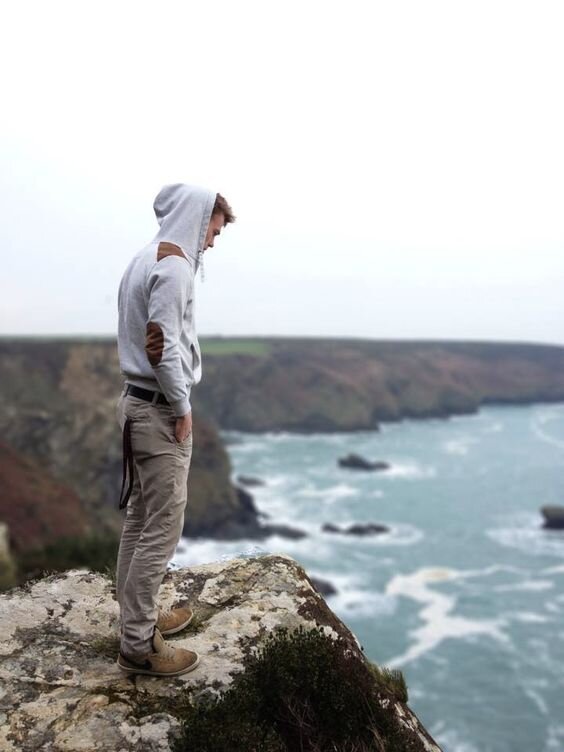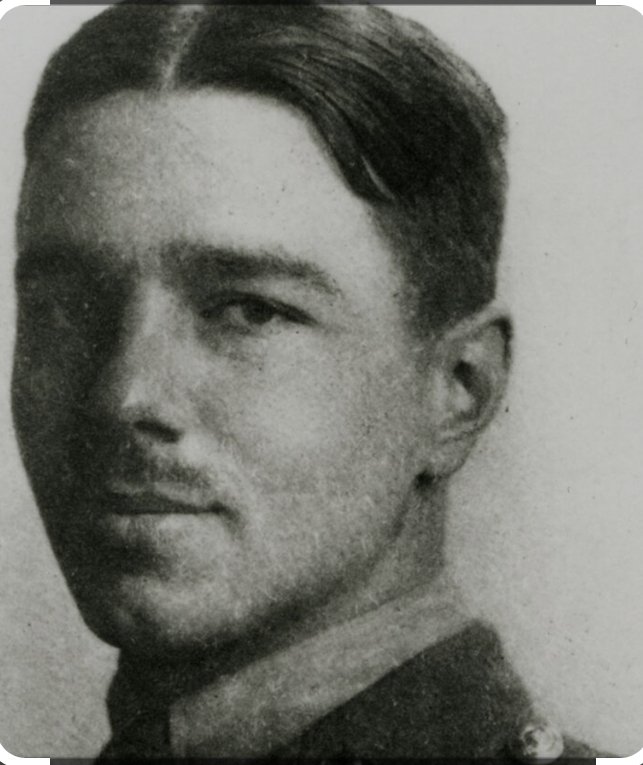
WHOEVER ~ From Death and Back to Life ~ That Quantum Leap

That inpenetrable moment of inwardly knowing
No matter the penmanship,
I still regard this as the pinnacle of my life’s achievement.
As I think, thus do I muse…
…there is something extraordinary, to stand upon the roof of the World …
WHOEVER
From Death and Back to Life ~ That Quantum Leap
Chapter One

Pars I
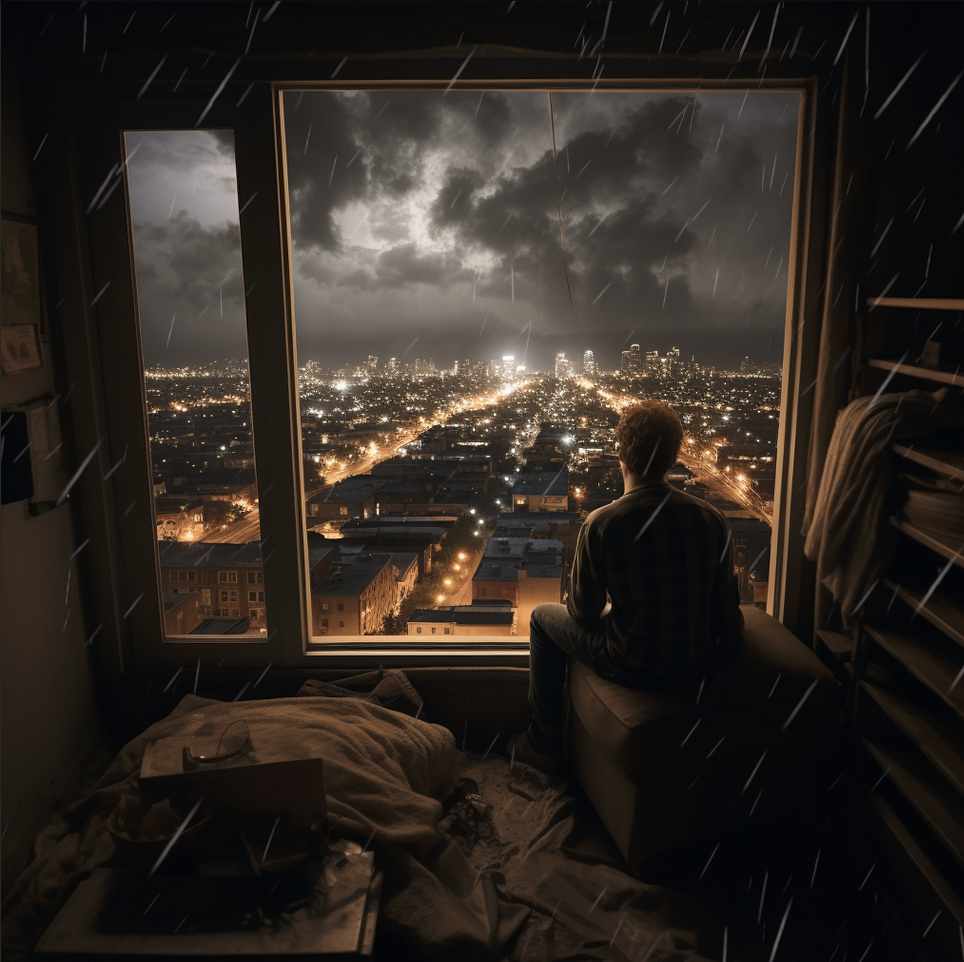
The Spirit beckoned to my spirit
and encouraged me
to step outside of Time
and without wings.
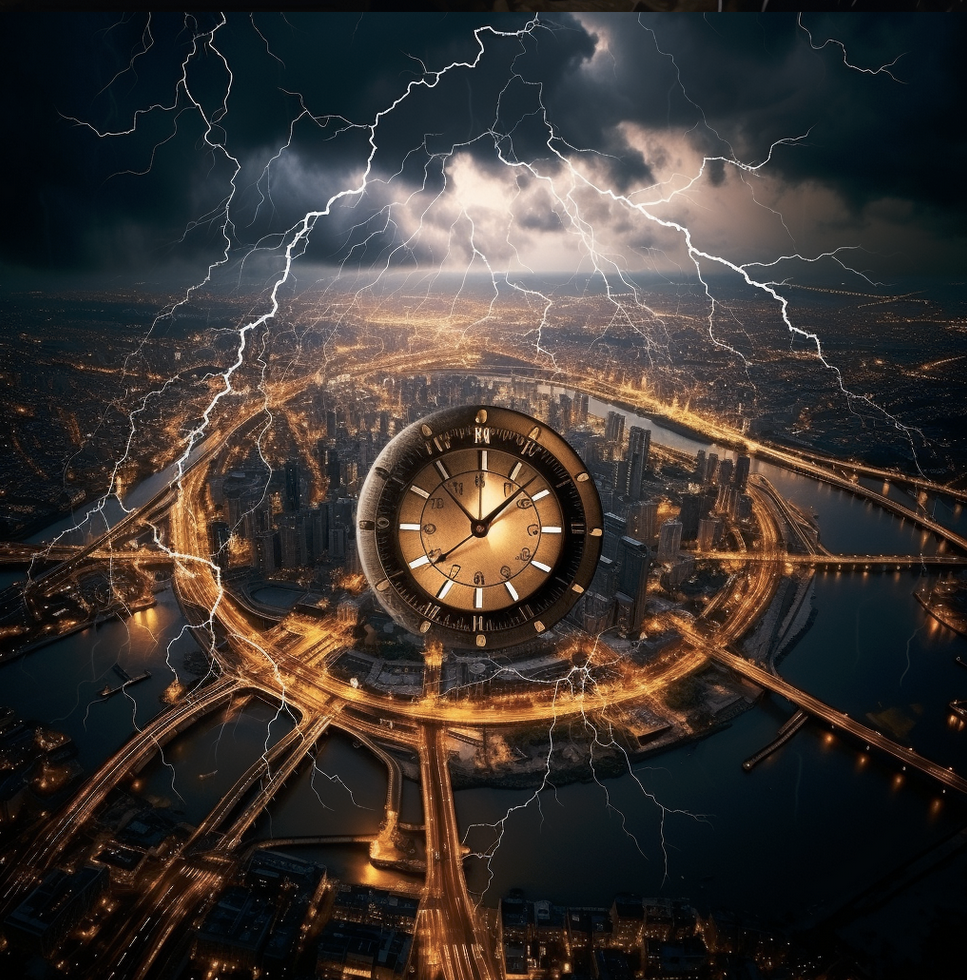
I flew at lightning speed,
observing the city below me,
the evening hour
as time, now beneath me,
showed its approach
to the quarter hour …

And observing again …
dimensions opened up to me
beyond my comprehension.
Ageless Beings.
I did not know them
and yet it seemed I did!
Though they bore no resemblance
to the stories I had learned
on Grandma’s knee;
Nor through school,
Nor college,
Nor Theology,
Military Chaplain’s School,
and more.
I had no doubt that I was
outside Time.
I heard a whisper …
Don’t be alarmed…
You accept I AM the Creator
If I create
then I create everything
and that includes Time
Consider again that ancient line
“Times Time and Half Again …” [2]
Thus We stand outside Time.
We look on,
We enter Time.
We step outside again
as befits Us.
Understand this basic concept
and much will immediately
fall into place.
Nothing is by chance.
All is deliberate.
Carpentry.
Engineering.
Every conceivable thing
you can think of
has its origins in Us.
Pure Energy … you might call it.

Pars II
I was challenged as I’ve never
been challenged before …
All around me evidence of that
which I had subscribed to fairy tale and myth …
Yet, that which I had argued as pre-existing…
did not exist at all!
That which I had bought as truth,
turned out to be fairytale … myth … !
… albeit with good intention.
For men’s minds
could not at the time of writing
explain things to the people
or even to themselves
in any other way.
Pars III
There are many lifetimes
it seems to me,
I mused …
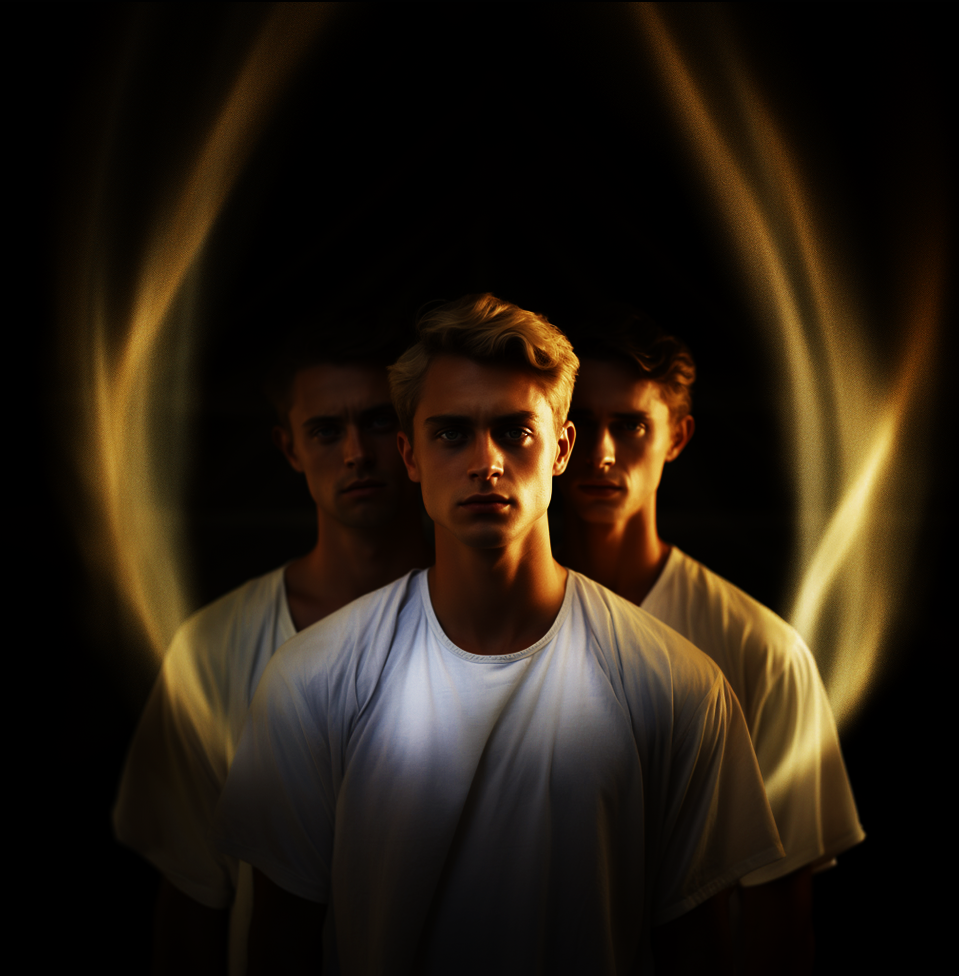
Three-in-One | Drei in einem
and I was corrected, not! | Und ich wurde korrigiert, nicht!
And I was not corrected
There are many journeys
I mused afresh.
And Again, I was not corrected
Pars IV
It is an extraordinary circumstance
to stand upon the roof of the world,
to look down upon the Universe
and yet, in countless dimensions,
simultaneous and co-existing
but rarely touched by the other,
seeing myriad lives,
recounting myriad memories,
memories stretching back centuries
and crossing continents.

Drei in einem
I found that I was not rebuked
for looking on directly.
Ageless beings…
Age metamorphosing constantly
before my very eyes,
and always returning to how
I used to look.
I heard the faintest whisper…
Here, there is no ageing.
Nor is there a fixed sexuality,
as you have clearly seen.
I recalled an old line
I’d written in 2011
in They Came in the Night
The Eternal Self-Existing One
I finally, hesitatingly grasped
now…
I truly observed!
For the fourth time
I was indeed not corrected!
No words were spoken
But the fire from the Eyes
Alighted my heart.
I knew Who I observed,
and why.
A white hot coal was
placed against
my lips,
A Finger set the seal.
Pars V
The Tree of Life,
I surmised …
The Tree of Knowledge,
I suggested …

Again, twice no correction
… And yet my mind opened up
to a display of genius
the like of which
no words can determine
no means or fashion
of recording.
Pars VI
The brilliance of
The Dawn of Time
Playing again for me
and countless others,
took my breath away.
I was glad of the company
to sustain me!
For otherwise,
I do not know how or
in what way
I would have coped …

The One! | Der Eine!
I was glad of the company
to sustain me
For otherwise,
I do not know how or
in what way
I would have coped …
Yes, that is correct ~ The Company!
I am filled with hope.
For in every terrifying spectacle
that we call ‘history’,
played out before me
Yet which brought every calamity, eventually, to a successful conclusion.
Pars VII
I swooped down from on high.
My spirit soared.
I was free,
and still am free!
Energy was my companion
Pure energy!
I visited halls and libraries,
I saw Architecture
the like of which we only plainly and dully copy…
But my Friend glinted …
Now you understand the saying
‘that in My Father’s House
are many mansions …
I would not have told you
if it were not so.’
[3]
That, yes, THAT, silenced me!
Pars VIII
I returned from whence I came,
I had been shown the wonders
of science,
of physics,
of pure mathematics,
of pure science,
of quantum physics.
And, I had seen for myself
That Quantum Leap.
I cannot describe it
But one day, you will see it too!
And, like me,
your mouth will drop
in awe and wonder.

Portrait of a Young Woman by KTW
Reflection
Occasionally, writing is an almost disconnected emotion. We plan to write, we form a frame and quietly set about the task of writing ~ a connected emotion.
When we write with disconnected emotion, as I did here in 2015, I had no intention of writing anything. We all experience those moments when a thought is stumbled upon and it catches us unawares. For me, the disconnected emotion was the sudden awareness from somewhere deep within me of just six words…
The Spirit said to my spirit
I was somewhere else. Physically, I was at home on the Liverpool Waterfront. A brief stopover before returning to Gloucestershire. But my mind was elsewhere. The room was very peaceful. I did much of my writing in my lounge ~ my inner sanctum. I could look out upon the world, without the world intruding upon me. And so I allowed the words to form themselves. I allowed freedom to take the reins.
Sometimes, a line, a verse, a stanza,
even a part,
will spill from the pen
without prompting.
From where it comes I know not,
except that it seems to rush forth
from the deepest recesses
of my mind and memory.
And yet the rushing forth,
tho’ seeming of meteoric speed,
is, nonetheless, very gentle.
An Awakening,
An Alerting,
A Prompting to the Mind
to consider all things afresh.
No matter the penmanship,
I still regard this as the pinnacle of my life’s achievement.
As I think I muse…
…there is something extraordinary, to stand upon the roof of the world …

A lifetime on,
Many decades shorn,
I gaze in awe
I am seventeen
I am again as I used to be
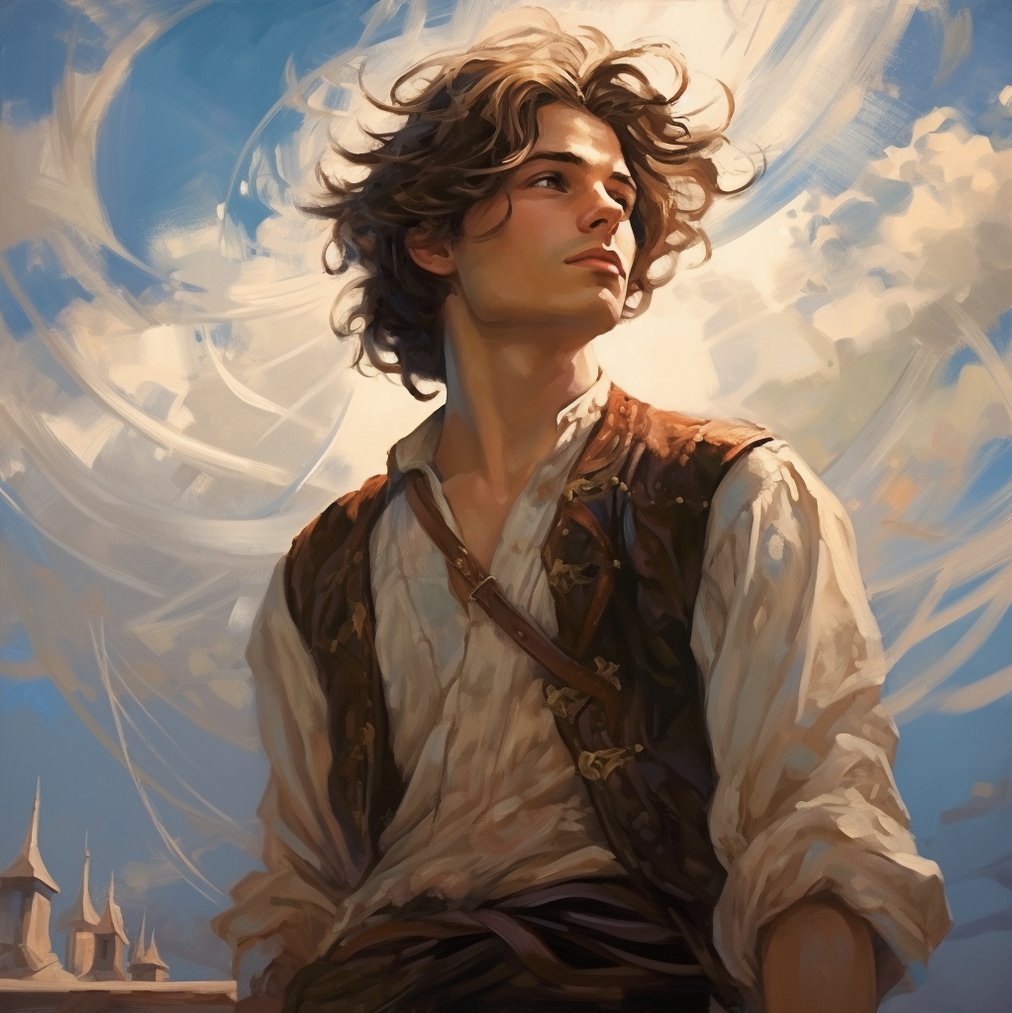
My quadruple self has now stepped back
I am fifteen
The man I will be at nineteen
is still in the making…
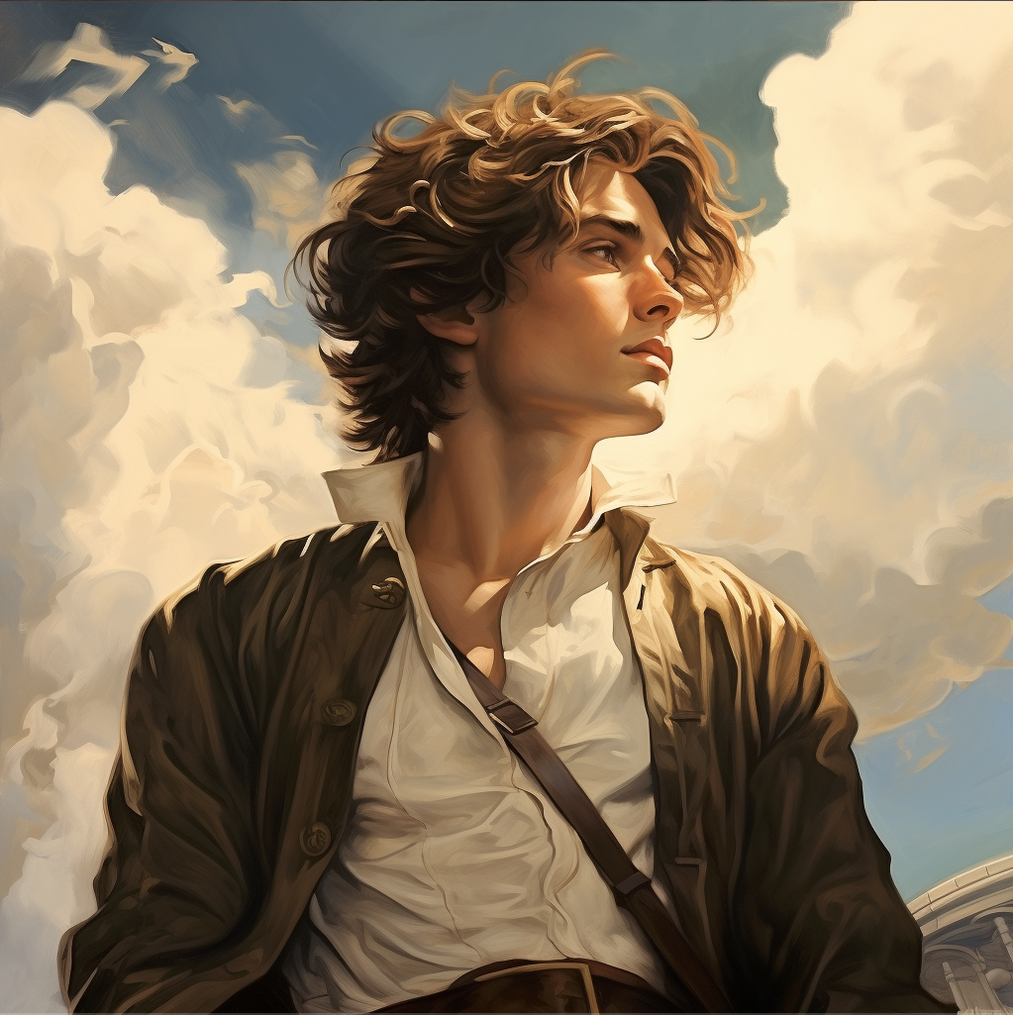
At twenty I think I see the way forward
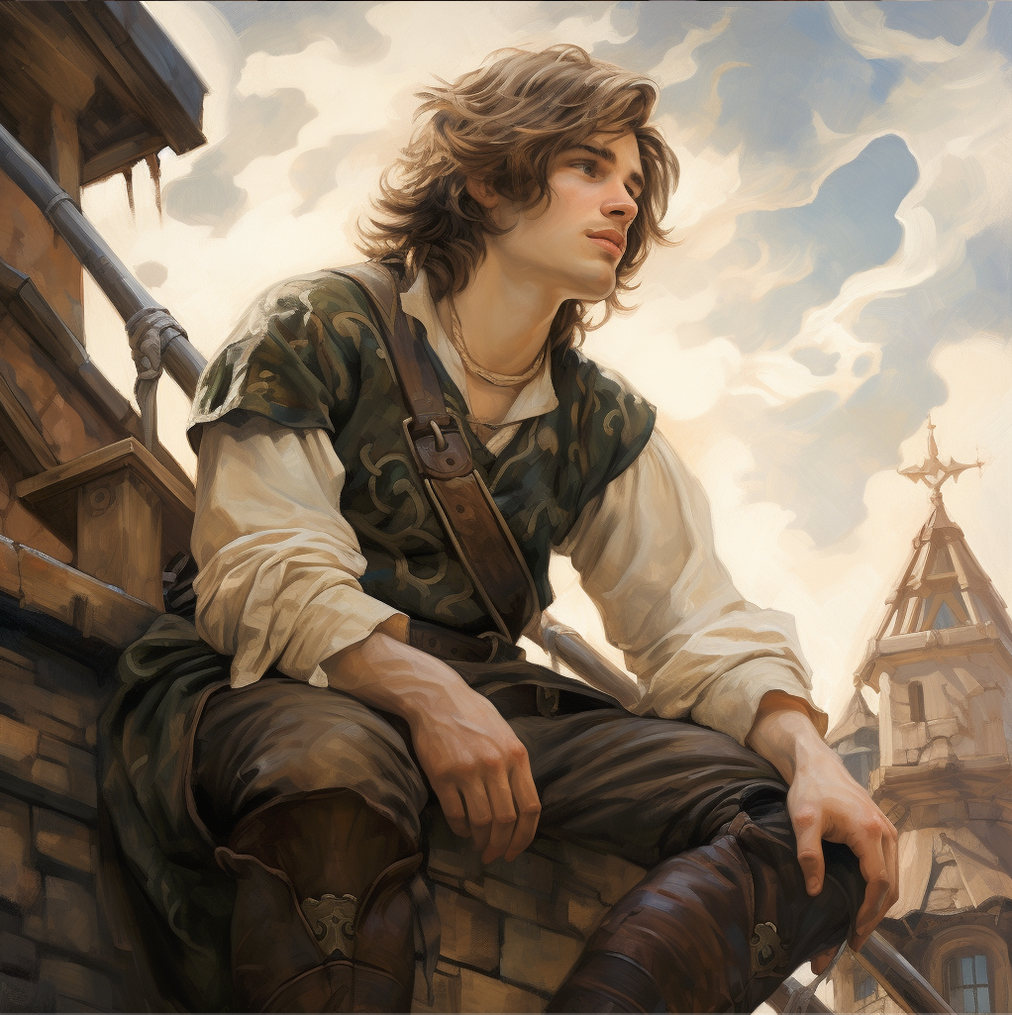
My Quadruple Self
has gone the four quarters.
My Blueprint proved true
You see me now at twenty seven.
I lived life’s span
and now I am returned.
Yes, it really is
an extraordinary thing
to stand upon the roof the world.
Selah

Drei in einem | Three-in-One
Und ich wurde korrigiert, nicht! | and I was corrected, not!
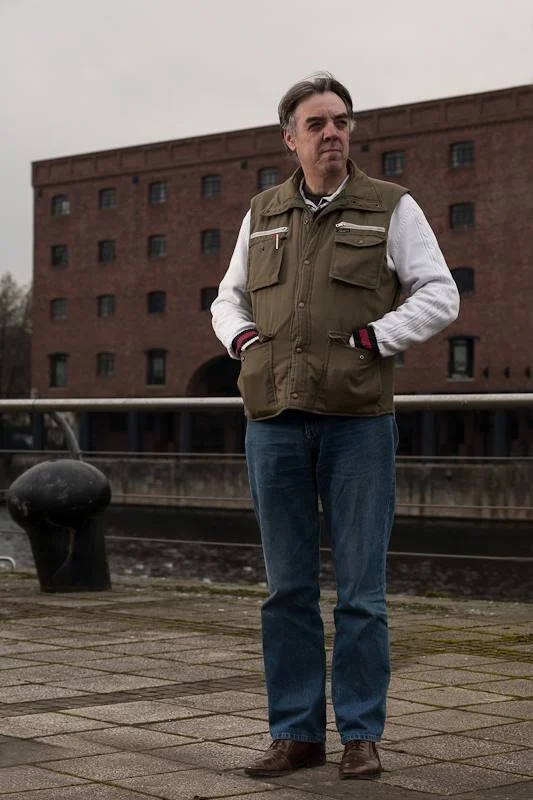
A Glimpse
A bygone world of Liverpool ~ 2010
Chapter Two
Author Note
I say this with confidence because I still regard Quantum Leap as the pinnacle of my work as a writer. We all have our favourites! We always need to be at the cutting edge of technology. We always need to keep in mind that every generation reaching back thousands of years, all fully understand and experience the excitement of observing and even using something that is state of the art. That expression is not a 20th and 21st century phenomenon.
I’ve often wondered how Quantum Leap would be interpreted in a musical score. What follows is a musical framework.
When I grew up in the 1950s and 1960s, I rarely heard the phrase conspiracy theory. In the era from 1970 onward, the phrase became commonplace. It took on multiple forms as we moved into the word processor age in the early 1980s and then watched the dawning of the World Wide Web and then the Computer Age, many of us were still unprepared for the revolution - for that is what it is - of the Social Media Age.
Humankind evolves. And this evolution is by revolution.
Just in the recent past alone we have the Agricultural Revolution, the Industrial Revolution, the Space Age Revolution and now the Social Media Revolution. Through all of these are the threads of humankind and Nature.
Humankind’s view is that Nature is subordinate, to be tamed, to be controlled.
Mark well, reader…
Nature is always present.
Nature never dies.
Nature outlives.
Nature is infinite.
The outward symbol.
I say again…
die Natur ist unendlich. Das äußere Symbol.
What we were increasingly aware of, though, was conspiracy theory.
In 2025 - 2026, conspiracy theory has the capacity to destroy civilisation. It is the weapon of the tyrant, of the autocrat, of the mind that demands that the international rules based order resting upon the Rule of Law has now taken over and demands a new world order.
Thus, it is vitally important that we remain ahead of the game, and thereby also ahead of our enemies. If we think that we do not have enemies, then it’s probably a good idea that one toddles off to the safety of imagination’s middle earth!
Conspiracy Theory has always been with us. It costs lives. Millions of lives. Example you ask? Sure!
Millions, billions even, believed in the reality and literal outcome of a painting by Dante, an artist commissioned to depict what happens upon death. The very few go to heaven, whilst the uncountable majority go to hell. And that theory held a vicelike grip that only started to loosen as we approached the turn of this century. Alas, for closed and narrow minds across all religions it still holds firm.
At the turn of the century a well-meaning fundamentalist Christian sent me a recording with the injunction that I must listen to it for it was none other than a recording of religious hell deep within the bowels of the earth. It was not something that particularly interested me. I played it. Horror and endless torment, the sound of fire and brimstone, screaming ad infinitum and ad nauseam.
Thanks Have a listen. Note the occasional blip, that tell-tale sound of a recording on perpetual replay. As for everything else you hear? Any back street recorder can churn out sound effects. Take a breath, pause and get back into the real world. And the odd bod Christian that gave you this? Probably a good idea to steer a wide berth from hereon.
A humble email bounced back. How could I have missed that? I feel so stupid.
No. Just see it as a lesson. See how easily the person who wants to believe the literal can be easily persuaded. It happens in every generation. Enjoy your faith. Keep it in check, in reality.
We have to remain ahead. And in this ever-demanding Age of Technology let us shift our focus, ever so slightly, away from technology and back to Nature wherein we have our being. We have the gift of language. Thus, communication is taken for granted. I grew up in a world, thankfully long gone, where the phrase dumb animal was our serious view of the animal kingdom, whether on land, in the air, beneath the sea. The more I study Nature, the more I realise that every species has an ability to communicate with their own that is the equal of ours. Sometimes it is way, way, way beyond our comprehension. We are not outside of Nature. We were not made for Nature. Long after we have gone, Nature remains. Here lies Hope. Here lies the guarantee of continuity.
KTW
2026

A Dantesque Inferno digital artwork by KTW
A Musical Rendition for Quantum Leap
To create a musical rhythm for Quantum Leap, I break it into manageable parts and consider potential rhythmic ideas, tempos, and accents that could match the tone and structure of each section.
Quantum Leap has a reflective and spiritual quality, so I imagine a rhythm that reflects that contemplative mood, and I compose variations of rhythm to highlight the shifts in tone and intensity that the reader finds themselves swept within, not unlike steering a Kayak.
General Rhythm and Style
I look for a freeform style that alternates between structured, steady rhythms and moments of spoken-word freedom, allowing the words to breathe.
Time Signature
For most parts, I choose a 6/8 or 3/4 time signature. This lends a flowing, almost waltz-like feel that matches the poetic, meditative quality of the text. I then contrast this by 4/4 time where some lines call for this, because by this means I add contrast and weight, especially when the message is more declarative.
Tempo
A moderate tempo of around 70-80 BPM is my preference because this perfectly reports the reflective nature of the poem, allowing me space between thoughts. I find that some parts may slow down for emphasis, or speed up slightly, when the language becomes more urgent or intense.
Suggested Rhythmic Ideas for the Moods identified
Mood ~ Pars I
Ethereal, Light, Meditative
I open with a soft, irregular rhythmic pulse, almost floating like free verse.
Sparse piano chords or pads slowly enter on the downbeat, with pauses between lines, creating a contemplative and open space.
In Specific Lines
"The Spirit beckoned to my spirit" ~ I’m inclined here in this opening line spoken almost rhythmically, in order that I can place emphasis on "beckoned" and "spirit," allowing it to land gently.
“I flew at lightning speed” ~ here, I hear the Strings moving with vibrancy and soaring from deep below to high above, as in Tchaikovsky’s Symphony No. 4, 2nd Movement and then sweeping, all the bows rising as with the tide, and then the crescendo upon the rocks, yet in Quantum Leap there are no rocks, save The Rock.
Transition: As "dimensions opened up to me," the rhythm could slightly shift to more structured patterns, like a gentle 6/8 time with a flowing melody.
Mood ~ Pars II
Introspective, Instructive
Rhythm: More structured, shifting into 4/4 time.
Example Rhythm: Steady percussion or low, soft strings could keep time here, giving weight to the words. "Don’t be alarmed" can be accentuated by a slight rest before and after the phrase, creating suspense.
Specific Lines:
"We step outside again"—A change to a lighter rhythm, with a return to a more open, freeform feel in this line, representing the stepping in and out of time.
Transition: Slow the tempo and thin the texture during the closing lines of this section, particularly around "Pure Energy ... you might call it."
Mood ~ Pars III
Challenging, Thoughtful
For this section, I syncopated rhythms to convey the tension and challenge described.
Light percussion, syncopated bassline, or subtle hand drums could create an unsettled feeling beneath the line "I was challenged as I’ve never been challenged before."
Specific Lines:
"There are many lifetimes"— Here, the rhythm from the 2nd. Movement ibid returns, to give me a sense of cyclical time.
Mood ~ Pars IV
Expansive, Awe-Inspiring
6/8 or 12/8 time work beautifully here to give the sense of floating or expanding across dimensions.
A steady pulse - almost like a heartbeat - carrying forth the words, underlined again by strings or ambient pads, using triplets to suggest the endless, overlapping realities.
Specific Lines:
"To look down upon the Universe"
Here, my rhythm drops here, allowing for space. The music pauses briefly to emphasize the vastness of what is being seen. A single Oboe with the Strings quietly picking up the theme and on into silence.
Mood ~ Pars V
Enlightenment, Awe
Here, I introduce lighter, almost playful rhythms - perhaps with a lilting quality but also with an edge, a challenge, as the speaker contemplates the Tree of Life and Tree of Knowledge.
Simple piano or chimes could underscore this section, alternating between gentle and bright chords.
Specific Lines:
"And yet my mind opened up":
A slow crescendo begins here, the expansion of thought process engaging.
Mood ~ Pars VI
Excitement, Revelation
I use quickening rhythms here to match the energy of the moment.
Faster arpeggios or strings building in intensity, with accents on downbeats as the poem builds toward the crescendo.
Specific Lines:
"The brilliance of the Dawn of Time"
and paired with more complex rhythmic patterns, like polyrhythms, to represent the grandeur of Time's Dawn
and the realisation that I am learning for the first time that Time itself is created; and with this the shakening, that if I am within Time, then clearly there is a place where we might one day be outside of Time.
Mood ~ Pars VII
Freedom, Release
The Rhythm is open, soaring, returning to a freeform style with occasional hints of rhythmic structure.
Long, sustained notes in the background to suggest openness, paired with light rhythmic flourishes on instruments like the flute or harp, mimicking the spirit soaring.
Specific Lines:
"My spirit soared, I was free"
has the most open rhythm, with minimal musical accompaniment to symbolize freedom.
Mood ~ Pars VIII
Reflective, Scientific
The rhythm here is now more structured again, returning to 4/4 time, representing the logical, scientific nature of the revelations.
Steady and deliberate rhythms are the foundation of this section, perhaps using a piano, maybe I might keep it to an electronic pulse.
Specific Lines:
"Quantum Physics"
then pairs with staccato rhythms to suggest the cutting-edge precision of the ideas being explored.
Mood ~ Pars IX
Gentle, Contemplative, Personal
This final part is a soft and gentle 3/4 waltz-like rhythm, bringing the poem to a meditative conclusion.
Gentle strings or a soft piano accompaniment support the introspective nature of this part, with longer pauses between lines to give weight to the speaker's final thoughts.
My Overall Approach
In considering my overall approach of WHOEVER ~ From Death and Back to Life ~ That QUANTUM LEAP…
the poem’s rhythm is dynamic, flowing between open and structured musical moments. Using a combination of time signatures (like 6/8, 3/4, and 4/4) and varying the tempo and intensity helps me reflect the poem’s mystical and spiritual journey. The rhythm shifts to echo the emotional intensity and revelations within the text, from moments of awe and wonder to personal realisations.
General Musical Recommendation for the Poem
Instruments: A mix of piano, soft strings (violin, cello), ambient synth pads, and light percussion (like a low tom or shakers).
Tempo: 70 BPM, flowing gently with changes in intensity as the poem progresses.
Another consideration would be a three or four deck Synthesised Organ.
Opening (Pars I)
Sound
Imagine a soft piano with minimalist notes. The chords could be sustained, creating a meditative atmosphere.
Picture something similar to Ludovico Einaudi or Max Richter—gentle, contemplative, with slow arpeggios. Example: The music starts with a simple E minor chord, holding for several beats, and then lightly transitioning to C major and D major. Each transition is slow, allowing the listener to absorb the depth of the words.
Soundtrack Inspiration: Tracks like "Experience" by Ludovico Einaudi or "On the Nature of Daylight" by Max Richteroffer a similar flow and feel. These compositions provide a gradual build-up of emotional intensity, which would complement the introspective nature of the poem.
Middle (Pars IV - VI)
Sound
Strings (violin, cello) start to emerge alongside the piano, gently increasing in energy as the revelations unfold. Imagine a gradual crescendo, with more complex harmonies introduced. The rhythm could have more urgency, with a light percussion beat to symbolise discovery and awe.
Low toms or soft shakers enter in 6/8 time, providing a gentle but consistent rhythm, as the piano continues to play lightly in the background.
Soundtrack Inspiration: Something similar to "Arrival of the Birds" by The Cinematic Orchestra. The music here might feel akin to the slow unveiling of something grand, with layered instruments slowly building until they reach the climax, mirroring the poem's rising energy.
Ending (Pars VIII - IX)
Sound
As the poem reaches its conclusion, the music returns to simplicity—a quiet piano with long, sustained notes. Maybe the strings return briefly to echo the earlier themes, but now they're subdued, allowing the poem's final thoughts to resonate without overwhelming the listener.
Piano notes played in 3/4 time, with minimal accompaniment, almost like a lullaby. Each note being held and allowed to resonate.
Soundtrack Inspiration: Something like "Comptine d’un autre été: L'après-midi" by Yann Tiersen—delicate, introspective, with a feeling of finality.
Summary of Sound
If this poem were set to music, the sound would evolve from something very open and ambient, with sparse chords and light instrumentation, to something more dynamic and rhythmic, building as the poem unfolds its themes of enlightenment and understanding. Then, it would return to simplicity and reflection as the poem concludes.
But here is the moment to build up to the glorious revelation we sense in that simple understated phrase of universal proportion…
‘THAT QUANTUM LEAP’
The soundtracks and pieces referred to embody the reflective, emotional, and expansive qualities that pair perfectly with the poem's spiritual journey.
2026
All Rights Reserved
Liverpool and Gloucestershire
© 2015 Kenneth Thomas Webb
And it is right, in this instance,
That I wrote this in two minds
As both the man and the author
Two parts
One whole
© 2015 Ian Bradley Marshall
1 Digital Art Work is by Kenneth Thomas Webb
2 Revelation 12: 14
3 John 14: 2
“A Thought…
Never presume that digital art can replace Art created and worked and fashioned by Artists and Sculptors created by the human hand, foot, mouth or mind.
It simply cannot.
We will always have the edge.”
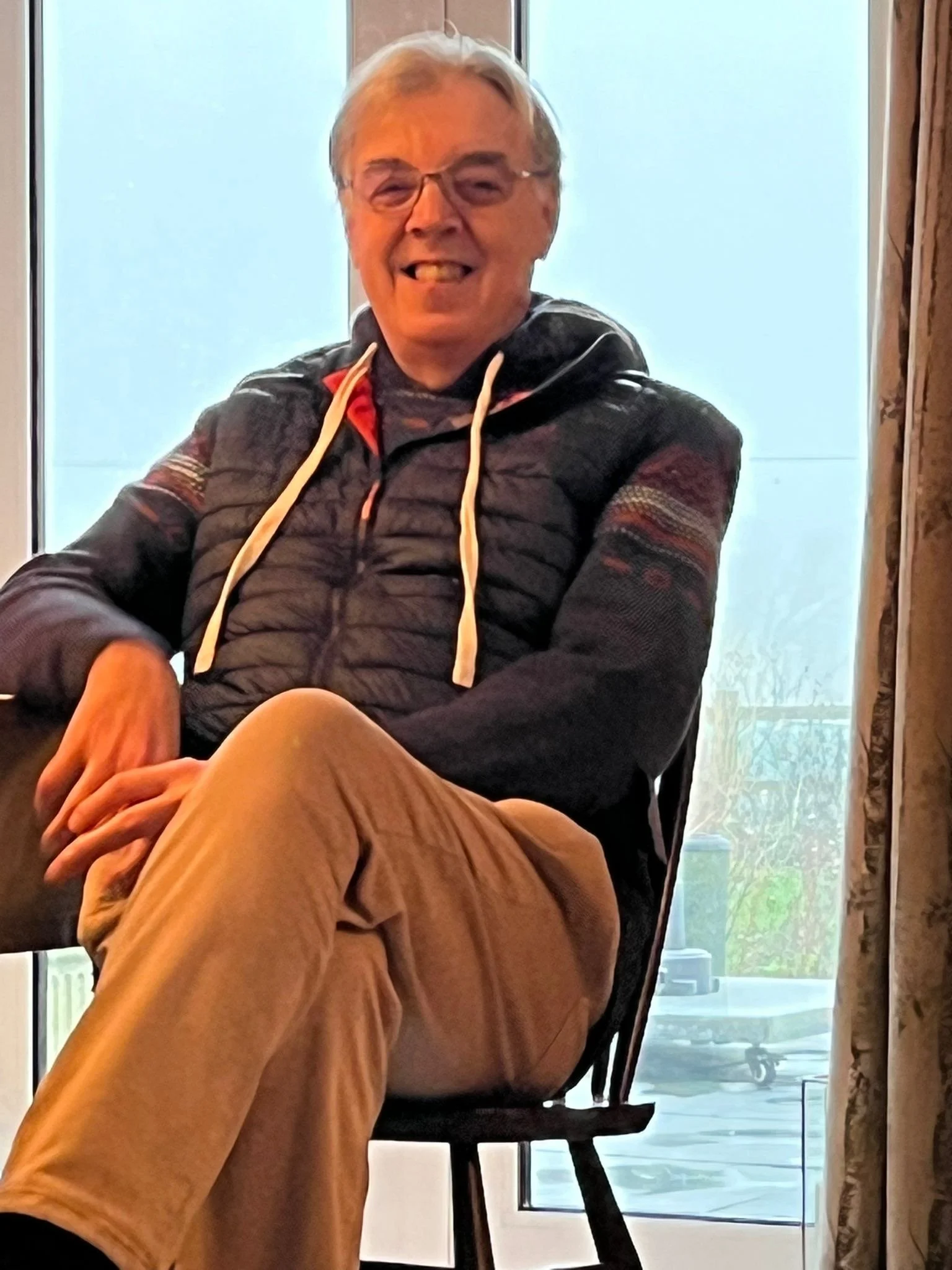
The Author somewhere in Gloucestershire 25 December 2024 by C.A.M.
Ken Webb is a writer and proofreader. His website, kennwebb.com, showcases his work as a writer, blogger and podcaster, resting on his successive careers as a police officer, progressing to a junior lawyer in succession and trusts as a Fellow of the Institute of Legal Executives, a retired officer with the Royal Air Force Volunteer Reserve, and latterly, for three years, the owner and editor of two lifestyle magazines in Liverpool.
He also just handed over a successful two year chairmanship in Gloucestershire with Cheltenham Regency Probus.
Pandemic aside, he spends his time equally between his city, Liverpool, and the county of his birth, Gloucestershire.
In this fast-paced present age, proof-reading is essential. And this skill also occasionally leads to copy-editing writers’ manuscripts for submission to publishers and also student and post graduate dissertations.