THE BOOK OF BIRDS by Jackie Morris & Robert MacFarlane - First Edition 2026
BOOK REVIEWS
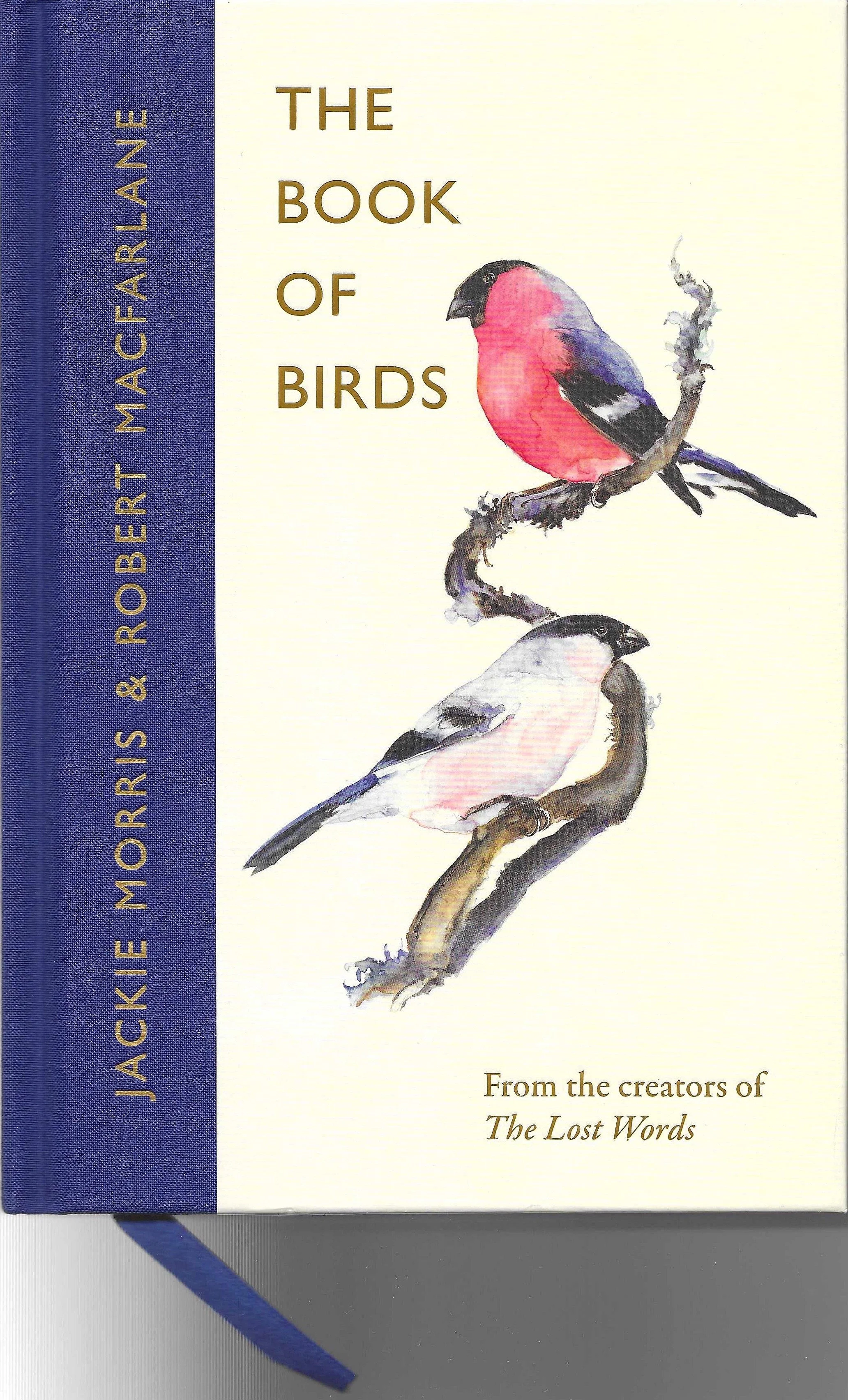
THE BOOK OF BIRDS
From the creators of The Last Words
Jackie Morris & Robert McFarlane
Published
by
Hamish Hamilton 2026
This is a must for all with a genuine concern for Naure and the Environment KW
Introduction
I came across this title in the book shop I like to pop into for coffee and a browse in the Promenade. The moment I saw the cover, I knew that peering within, I would have one of those gold, frankincense and myrrh moments. I was not disappointed.
Like all of us, I love and welcome the dawn chorus. Yet when I sit quietly and ponder, I find myself repeatedly asking the question…
“Why is the dawn chorus no longer that great crescendo that announced the arrival of every morning throughout my childhood and teenage years?”
How many times, when studying for examinations, did I find myself closing the window temporarily to have just a tad more silence so that I could concentrate upon the difficult piece of law I was grappling with? And the moment I’d found the solution the window would be reopened.
It never crossed my mind that the dawn chorus was literally disappearing as sand-grains cascade through our fingers. And ‘cascade’ is deliberate.
Now, I find myself listening for the chaffinch which always announced the arrival of spring through almost my entire life and yet, I cannot recall a chaffinch or a greenfinch for at least a decade. I remember too the sound of the small bird that whistled a single siren note that went up slightly before going down and then coming back up and then tapering off. I used to mimic it and loved to hear its prompt reply. I cannot even find any reference to that bird. I have not heard that beautiful sound of nature in thirty years. Always present through Springs and Summers, I’ve not heard that sound for at least 15 years and yet I used to hear it every year, arriving as if by clockwork and then departing again by clockwork. Life had certainty. Of course, I speak also of the age before the computer and social media.
I look all around me. Many people out enjoying the summer air. The joggers, the sprinters, the walkers, the striders, the cyclists… Yet in worlds of their own choosing, bedecked with headsets in order to listen to their favourite music uaware of the unique language nd voice of Nature all around them. Oblivious, too, to what some might experience in decades to come when hearing begins to slip, those double bases and psychedelic rhythms strangely beyond their hearing. And yet, these same people mayargue vigorously that they are in tune with Nature because they do the things they do.
In my way I might say…
“Hey, come on all, afresh regrasp life, living, and start…‘paying attention to the things that are dying’. See Nature and HEAR Nature in all the glory that we find in that timeless expression that defies even the ancient gods ~ NATURE SUPREME.”
In the Foreword, the authors have given a very stark warning to humankind. It certainly pulled me up short and I am glad they have done so.
It is for this reason that I include an short extract of their foreword.
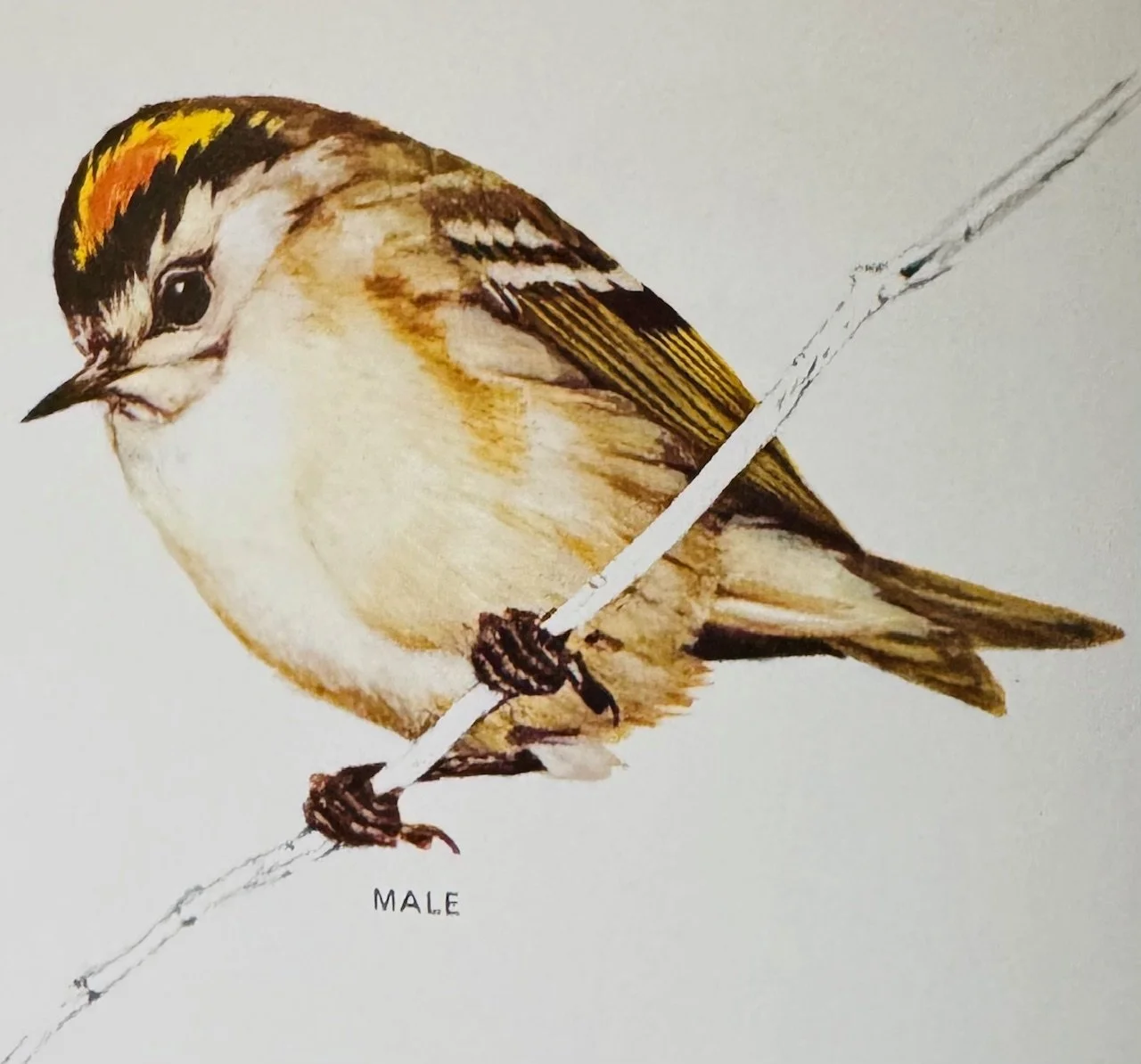
The Book of Birds is a stunning publication, and the imagery and the descriptions are outstanding. I am used to The Readers Digest Book of British Birds, and The Book of Birds takes that publication to the next and much more personal level.
SHORT EXTRACT
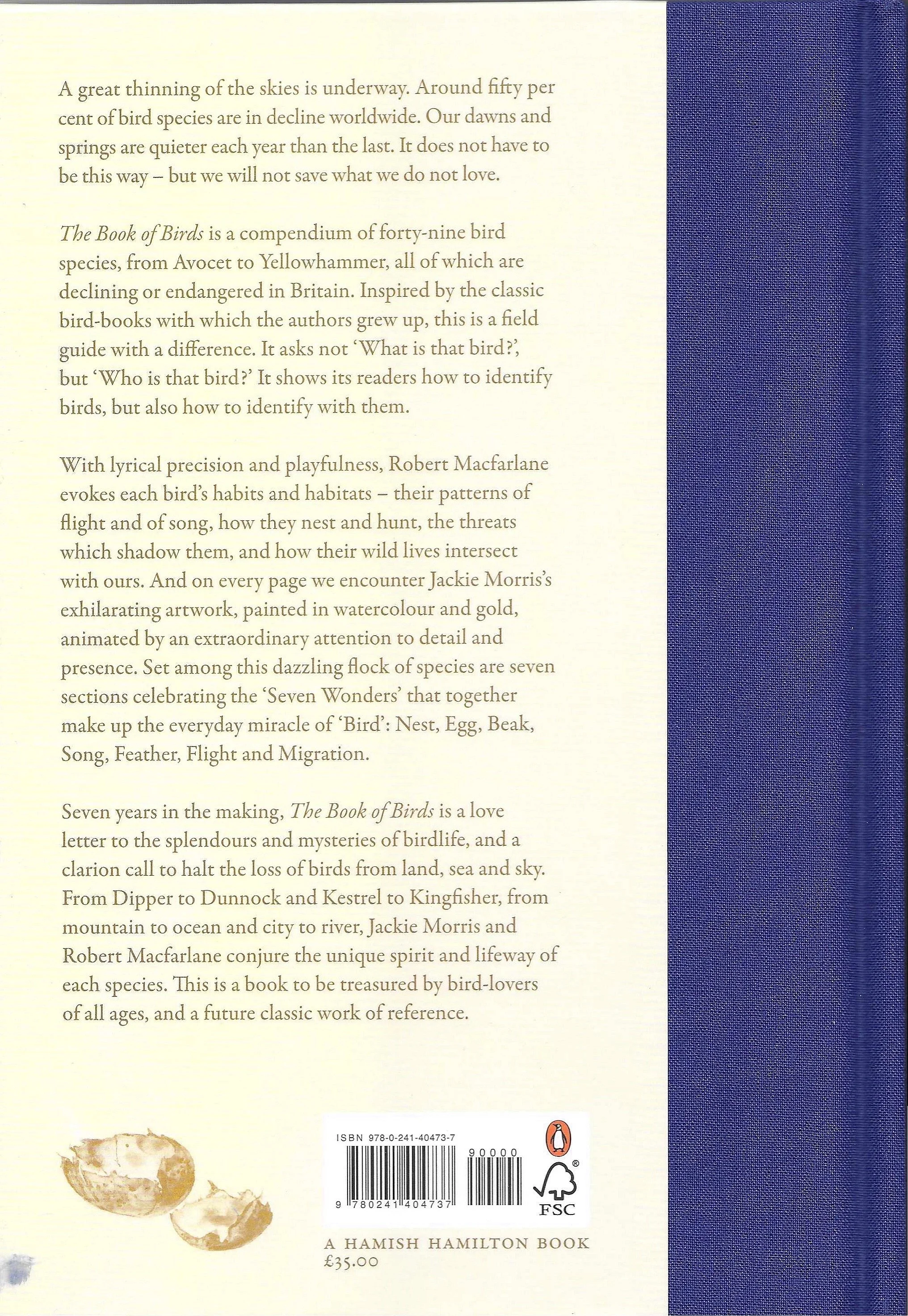
“‘A great thinning of the skies is underway. There are three billion fewer birds in North America than half a century ago. Five hundred million fewer in Europe. Seventy-Three million fewer in Britain. Worldwide, almost fifty per cent of bird species are in decline. That which was once called ‘common’ is becoming rare: the ‘common eider’ is now in the same global conservation category as the jaguar.
Dawns and springs are quieter; the air, emptier.
An ancient avian orchestra is falling silent.
An almost unimaginable abundance has been lost.’”
“We saw a flock which must have been a mile long and nearly as broad; there must have been in that flock four or five thousand! The sum total of their notes sounded at times like the wind whistling through the ropes of a thousand-ton vessel.”
“The bevies of chiffchaffs and willow wrens... The chorus of thrushes and blackbirds, the chaffinches in the elms, the greenfinches in the hedges, wood-pigeons and turtle-doves in the copses, tree-pipits about the oaks in the cornfields; every bush, every tree, almost every clod... seemed to have its songster.”
As the authors remind us…
“birds could once be seen and heard in a plenitude now beyond our wildest dreams.”
The authors make another two very important further observations…
“Absence is harder to track and feel time presence. The ghosts of gone birds fade quickly from memory. Shifting baseline syndrome habituate us to the sparser skies.
We will not save what we do not love, and we rarely love what we cannot name.”
Emphasising that this outcome is not predestined, the gaunlet is thrown down …
“ ...just so long as we rise to the challenge…
We will not save what we do not love, and we rarely love what we cannot name.”
How true that is.
And the illustrations not only abound, but are breathtaking. The eloquence of the opening chapter entitled NESTS enables us to enter another realm. And that is only the beginning ~ Der Anfang!
Kenneth Th Webb
25 May 2026
All Rights Reserved
Gloucestershire and Liverpool
© 2026 Kenneth Thomas Webb